
Profile: Jillian Mowbray
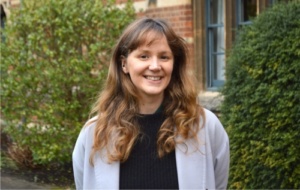
Jillian Mowbray
To mark this year’s , we spoke to Jillian (Jilly) Mowbray, Colleges Sustainability Officer. Jilly works across nine colleges to advise on environmental sustainability issues while also supporting the development of environmental strategies and additional interventions to promote sustainability.聽
What does being Colleges Sustainability Officer involve?
My role is slightly unusual in that I work for nine colleges, but I鈥檓 based in the central University Environmental Sustainability Team. Being based in the central University allows me to share information as to what the University, as well as the nine colleges, are doing and communicate best practice – it鈥檚 a fantastic vehicle for sharing knowledge and resources. My role involves supporting the nine colleges I work for in their sustainability goals. This can include working with Sustainability Committees, supporting staff training, helping draft strategies and action plans and working on reporting or sustainability initiatives 鈥� it鈥檚 a really varied role!
What were you doing before you started your current role?
Before I started this role, I worked in local government roles as a Climate Change Officer and in nature-based solutions. My previous roles were also very varied, and I worked on renewable energy projects, habitat restoration and with community groups. The roles were challenging but really rewarding, and offered great opportunities to learn.
What drew you to working in sustainability?
I鈥檝e always had a passion for nature and our planet, and our effect on it. I was lucky to grow up in a relatively rural setting where I was thrown into the fields to play at a young age, so I鈥檝e always had a closeness to nature. This led me to study Geography at university, including a course called 鈥楲iquid Geography; The Vine and Wine鈥� which inspired me to work in the wine industry. I was drawn to my first job in the wine industry because of the importance of the environment 鈥� the terroir. After the pandemic, I thought that it was time focus my career on an area where I felt it was important to take action, so I returned to study a postgraduate course in Leadership in Sustainable Development at Queen鈥檚 University, Belfast.
How does your role help drive sustainability across areas like works, catering, comms, and student life?
The role requires me to understand the challenges across departments like works (energy use and decarbonisation), catering (), accommodation (waste and recycling) and gardens and grounds (biodiversity) and advise on what changes or sustainable switches can be made. While doing this, I provide best practice examples from across the University and different colleges and work with the Sustainability Committee to drive sustainability across each college.
What key sustainability projects are happening at Univ, and how do departments work together on them?
The work happening at is really exciting. It鈥檚 great that sustainability and biodiversity were so early on – it shows that Univ is serious about protecting biodiversity and . The Sustainability Committee also provides an opportunity to hear from all departments about the sustainability work that they are carrying out.
How can students, staff, and the wider Univ community support sustainability efforts?
Small actions in our daily lives all add up and can make a positive difference. We all know about reducing unsustainable travel, such as flights. Beyond this, I鈥檇 focus on decisions made in connection with shopping, food, and money. For shopping, it鈥檚 about where products come from: where they鈥檙e made and whether the ethos of the company selling them is one that you agree with. Fast fashion is not sustainable, and so it鈥檚 a question of thinking whether we need all that we buy, or if we can buy from better sources and keep items for longer. With regard to food, it鈥檚 about whether we can eat more seasonably and, if we are meat-eaters, reducing the amount of meat and dairy we eat and buy.
And finally, money: as they say, 鈥渕oney makes the world go round鈥� and it’s no different with the climate, it鈥檚 just about where your money is kept. One key question to ask is whether your bank invests in fossil fuels. There are websites to help you find out more, such as , which provides information on where high street banks invest their money. Changing your current account or savings provider to an ethical bank is a direct and achievable way to make a difference.
Describe Univ in three words.
Friendly, open and ambitious
Published: 22 April 2025